Why Read & Study the Bible? The Truth Every Christian Should Know
If you’ve ever wondered why reading the Bible matters, this post shares biblical reasons, clarity, and encouragement to stay rooted in God’s Word.
SPIRITUAL GROWTHBIBLE STUDY FOUNDATION


What if I told you the most important voice in your life might be the one you're not hearing often enough?
Not your pastor. Not your favorite speaker. Not even your best friend. I'm talking about the voice of God through His Word.
Whether you've been a believer for years or you're just getting started, understanding why we read and study the Bible is essential. Before diving into the book of Genesis, I want to walk you through why this Book matters—and why it can be trusted as the foundation of your life.

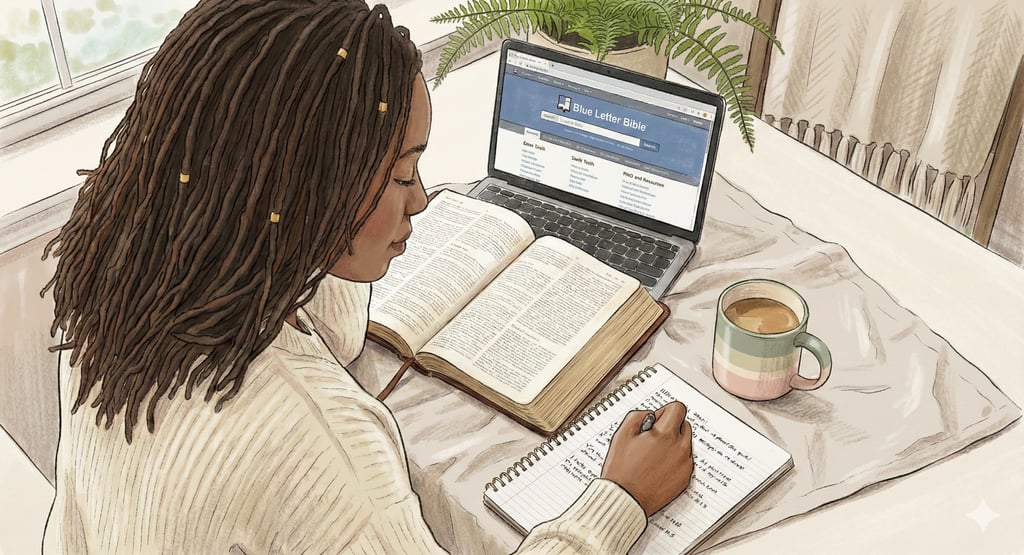
Why Studying The Bible Matters
Reading the Bible isn’t just a good Christian habit—it’s how we:
Hear God’s voice
Grow in faith
Learn to live surrendered to His will
Gain confidence in our calling
Scripture transforms us from the inside out. And the best part? You don’t need to be a theologian or go to seminary to study it meaningfully. You just need the right tools and a heart that’s willing.

1. What is the Bible, Really?
The Bible isn't just one book. It's a collection of 66 books written by over 40 authors across 1,500 years in different places and languages (Hebrew, Aramaic, and Greek).
These authors were kings, prophets, shepherds, fishermen, and scholars.
Yet despite the diversity, the Bible tells one unified story: God's plan to redeem humanity through Jesus Christ. That level of consistency? Only possible through divine inspiration.
2. Who Wrote the Bible
It’s true that human hands penned the pages, but they were inspired by the Holy Spirit.
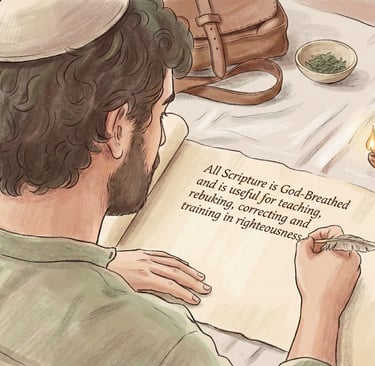
"All Scripture is God-breathed and is useful for teaching, rebuking, correcting and training in righteousness..." (2 Timothy 3:16)
"...prophets, though human, spoke from God as they were carried along by the Holy Spirit." (2 Peter 1:21)
The Greek word for "God-breathed" is theopneustos, meaning divinely inspired. So when you open your Bible, you're not reading old ideas—you're hearing God's timeless voice.

3. How Did We Get the Bible?
The Bible as we know it was not randomly assembled. The term canon means "measuring stick," and the books included had to meet key criteria:
Apostolic or prophetic authorship
Consistency with existing Scripture
Widespread use in early church worship
Clear evidence of divine inspiration
The Old Testament was already in use during Jesus' lifetime. He quoted it often, affirming books like Genesis, Deuteronomy, Psalms, and Isaiah.
The New Testament books were recognized by early church fathers (like Athanasius and Irenaeus) and confirmed by church councils (like the Synod of Hippo in 393 AD). They didn’t create Scripture—they acknowledged what the church was already using as authoritative.
4. Can We Trust the Bible?
Historically, the Bible is the most well-preserved ancient document in existence:
Over 5,800 Greek manuscripts of the New Testament
Some dated within 30-100 years of the originals
For context, Plato only has 7 surviving manuscripts. Aristotle has 49. And no one questions whether those are real.
Archaeology continues to confirm biblical accuracy—from ancient cities to rulers to timelines. The deeper scholars dig, the more Scripture is affirmed.
And believers throughout history have gone to their deaths refusing to deny its truth. That’s not a fairytale. That’s faith in something real.
5. How Did Jesus View the Bible?
Jesus treated the Scriptures as absolute truth. When tempted, He responded, "It is written..." (Matthew 4).
He quoted Moses, David, and the Prophets. He affirmed the authority of Scripture in His teachings and fulfilled its prophecies.
Even on the cross, Jesus quoted Psalm 22.
If Jesus leaned on the Word as truth, then so should we.
6. Why Study the Bible, Not Just Read It?
Reading gives exposure. Studying brings transformation. Studying helps us:
Understand historical and cultural context
Discover original meanings of words
Recognize connections between Old and New Testaments
Apply truth to real life
Romans 12:2 says we are transformed by the renewing of our minds. And that happens through the Word of God.
7. The Bible is Our Foundation
In a culture of shifting opinions and temporary truths, the Bible remains unshaken
"Forever, O Lord, Your word is firmly fixed in the heavens." (Psalm 119:89)
Jesus said the wise person builds their house on the rock—and that rock is His Word (Matthew 7). The Bible is not just a spiritual tool. It’s a weapon, a mirror, a lamp, a sword, and a love letter.
Final Thoughts: Let This Be The Start of Something Deep
Before we open Genesis, let's approach this journey with reverence and hunger.
This isn't just about information. It's about transformation. It's about meeting the Author of Life in the pages of His living Word.
Are you ready?
If you found this blog helpful, head over to my YouTube for more bible study tips, Bible Studies and encouragement: www.youtube.com/@purpose1six
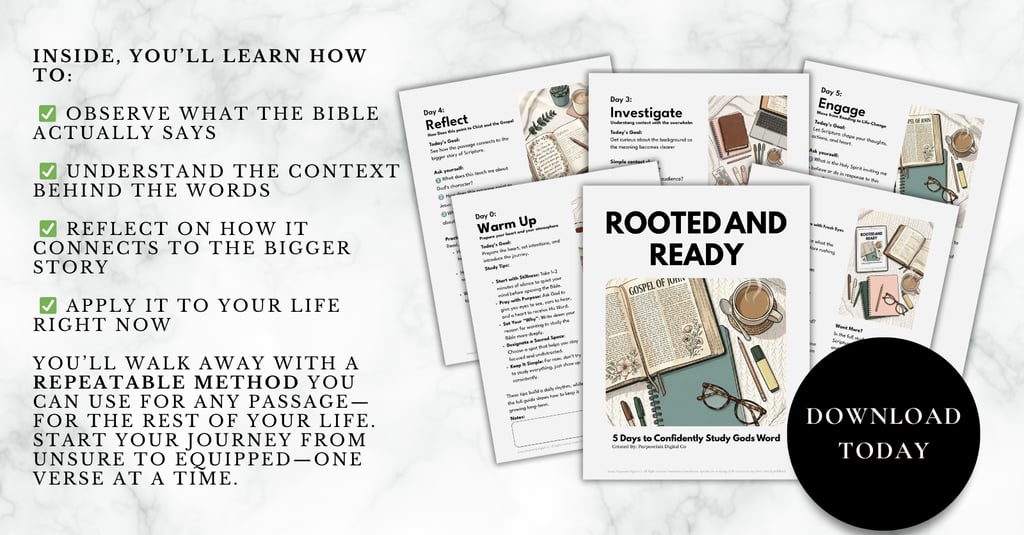
📥 Grab your free 5-day Bible study guide to get rooted in the Word: Download Here
📘 Ready to go deeper? Check out my 60-day John study: Download Here
Let’s study the Bible together—book by book. We’re building on the Word.
© 2026. Purpose1six LLC & Purpose1six Digital Co.